Mold Detection in Fort Worth, TX
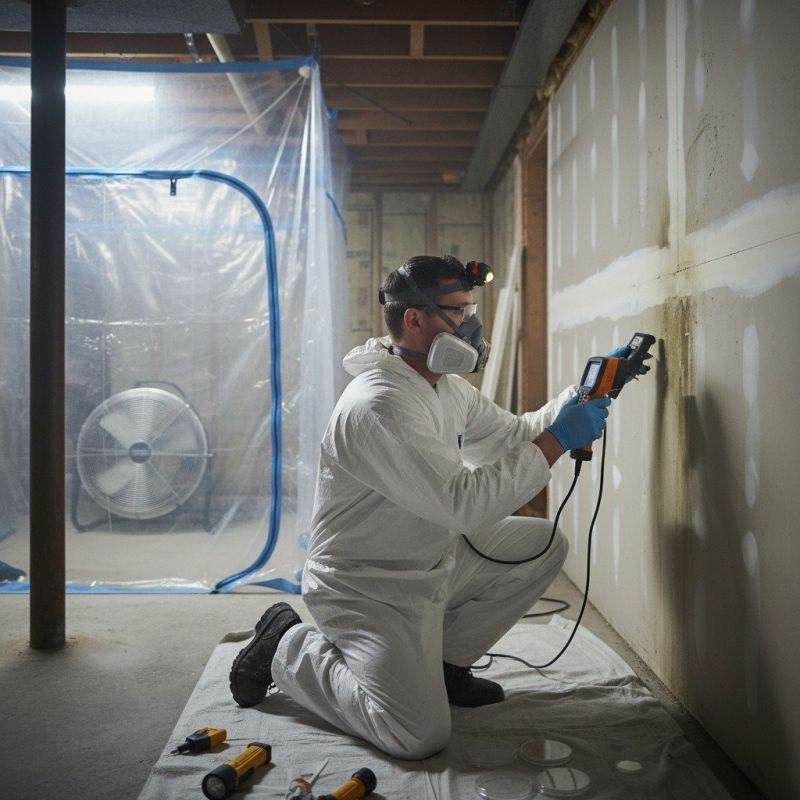
Mold detection services involve identifying the presence of mold growth within a property, typically through thorough inspections and specialized testing methods. These services can be useful in a variety of projects, including after water damage, persistent musty odors, visible mold growth, or concerns about hidden mold behind walls and ceilings. Homeowners often seek mold detection to understand if mold is affecting indoor air quality, to determine the extent of any contamination, and to inform decisions about necessary remediation or repairs.
Before requesting mold detection, property owners usually want to know what areas will be inspected, what kind of testing will be performed, and how the results will be communicated. Clarifying these details can help ensure the inspection addresses specific concerns, such as recent leaks, ventilation issues, or previous flooding. Understanding the scope of the service also helps homeowners evaluate the findings and decide on appropriate next steps to maintain a healthy living environment.
Many property owners in Fort Worth, TX look into Mold Detection for repairs, replacements, upgrades, and appearance-related improvements.
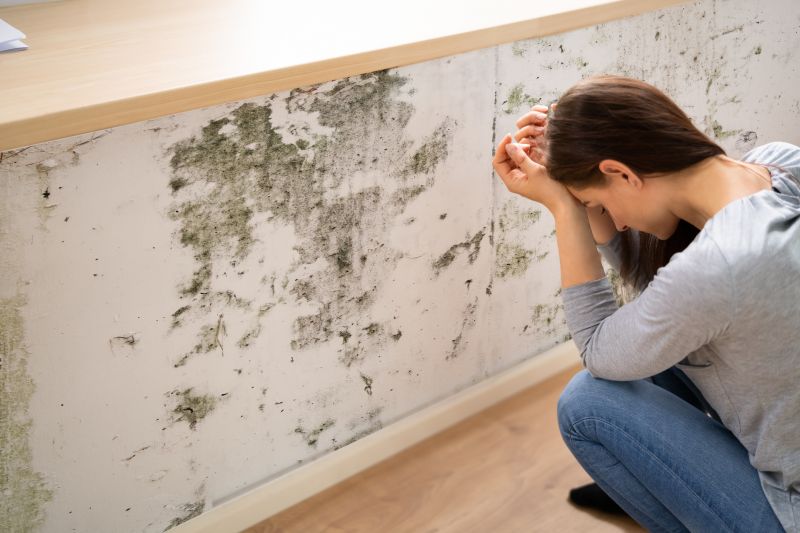
Signs Of Mold Presence
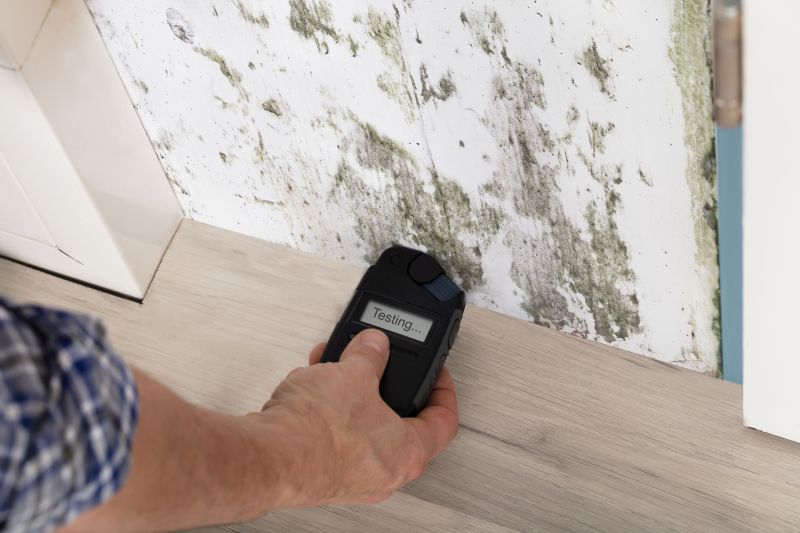
Identifying visible mold, musty odors, or moisture issues can indicate hidden mold growth.
Health And Safety Concerns
Mold exposure may cause allergy symptoms, respiratory problems, and other health issues for residents.
Detection Techniques
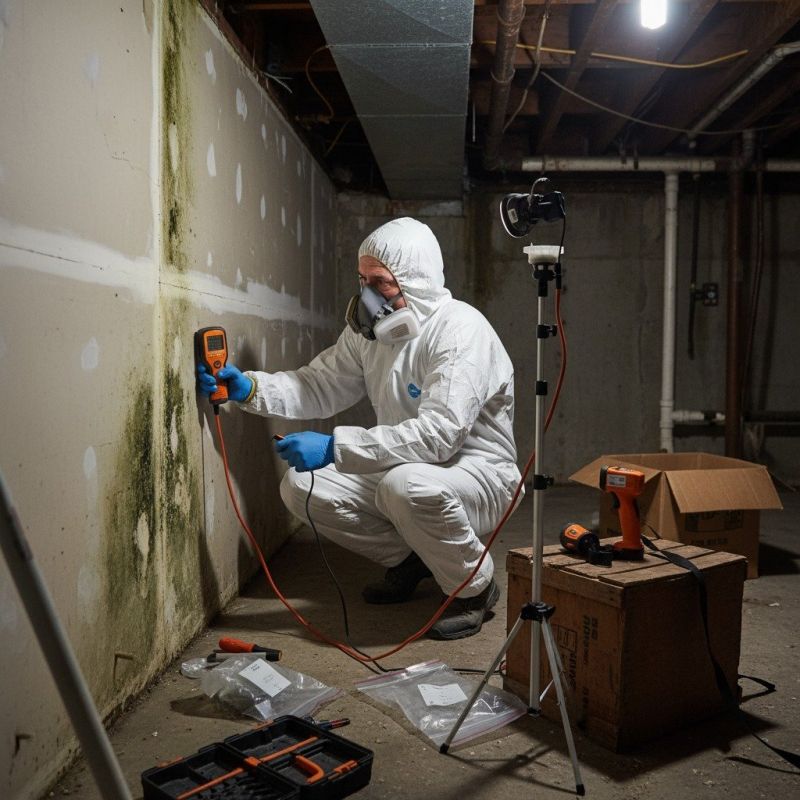
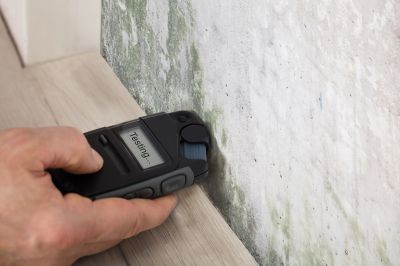
Advanced testing methods help locate mold in hidden areas like walls, ceilings, and insulation in fort worth homes.
Mold Detection in Fort Worth, TX

Mold detection services involve identifying the presence of mold growth within a property, typically through thorough inspections and specialized testing methods. These services can be useful in a variety of projects, including after water damage, persistent musty odors, visible mold growth, or concerns about hidden mold behind walls and ceilings. Homeowners often seek mold detection to understand if mold is affecting indoor air quality, to determine the extent of any contamination, and to inform decisions about necessary remediation or repairs.
Before requesting mold detection, property owners usually want to know what areas will be inspected, what kind of testing will be performed, and how the results will be communicated. Clarifying these details can help ensure the inspection addresses specific concerns, such as recent leaks, ventilation issues, or previous flooding. Understanding the scope of the service also helps homeowners evaluate the findings and decide on appropriate next steps to maintain a healthy living environment.
Many property owners in Fort Worth, TX look into Mold Detection for repairs, replacements, upgrades, and appearance-related improvements.
Common Mold Detection Jobs
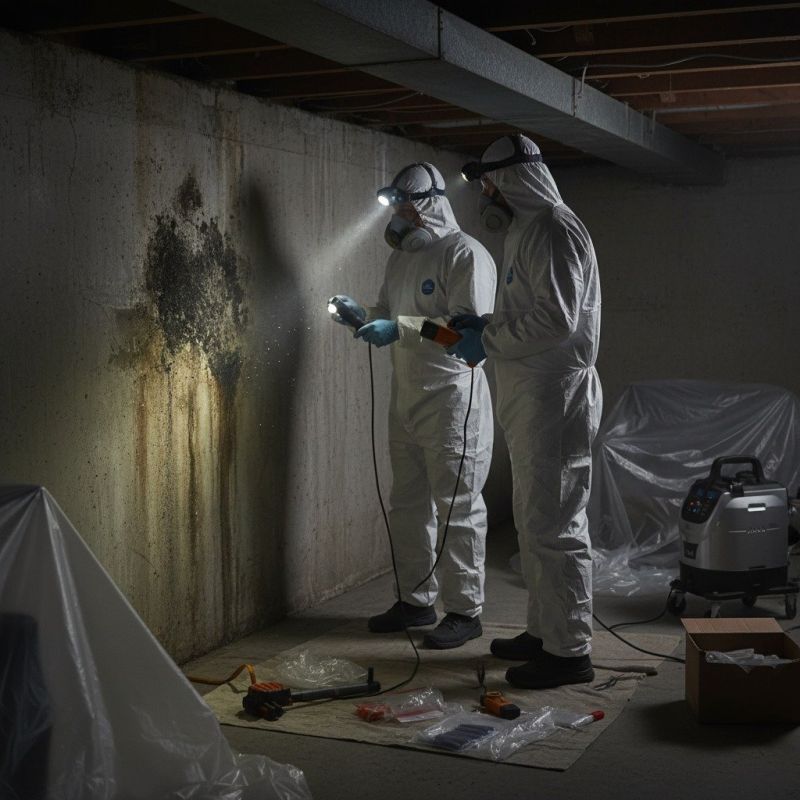
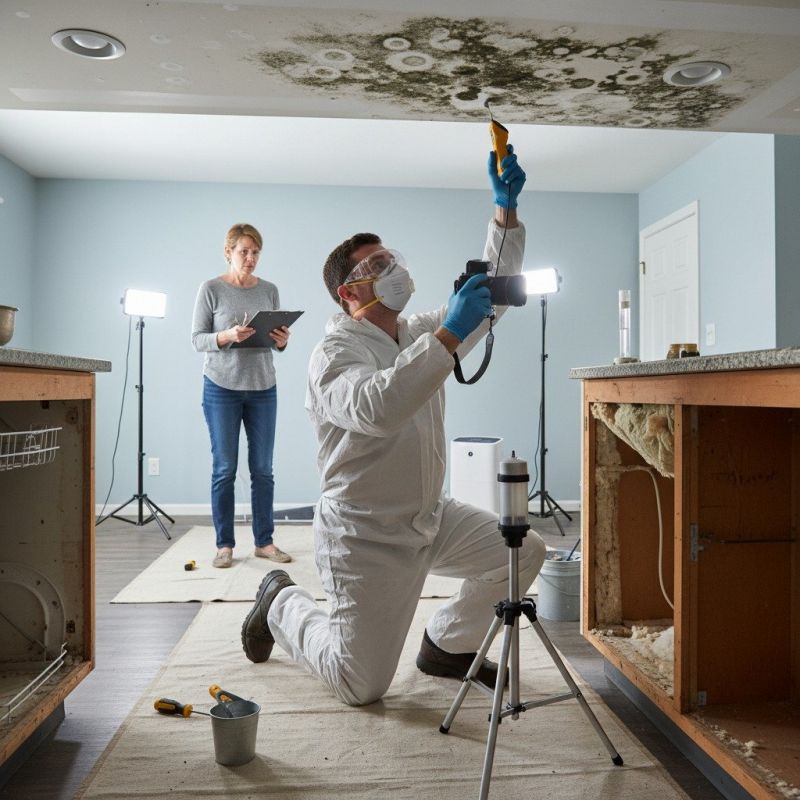
Mold detection inspections identify the presence of mold in residential and commercial properties.
Visual mold assessments help locate visible mold growth and moisture issues contributing to mold development.
Air quality testing measures airborne mold spores to determine contamination levels inside the property.
Surface sampling services analyze materials to confirm the type and extent of mold growth.
Moisture inspections identify sources of excess humidity that can lead to mold growth over time.
Post-removal testing verify that mold has been effectively eliminated after remediation efforts.
Mold Detection Questions
How can I tell if I have mold in my home? Signs include visible spots, musty odors, or increased allergy symptoms indoors.
What areas are most at risk for mold growth? Moisture-prone areas like bathrooms, basements, and around leaks are common spots for mold.
Why is mold detection important? Identifying mold early helps prevent health issues and property damage caused by hidden growths.
What types of projects typically require mold detection? Mold detection is often requested during home inspections, after water damage, or when odors persist.
Request Mold Detection in Fort Worth, TX
Use the quote form on this page to share the basics of your project and request more information for the type of work you need.