Mold Abatement in Essex County, NJ
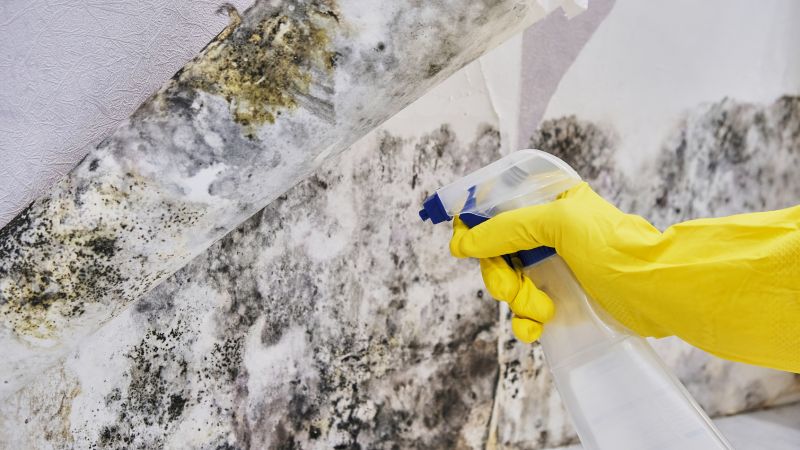
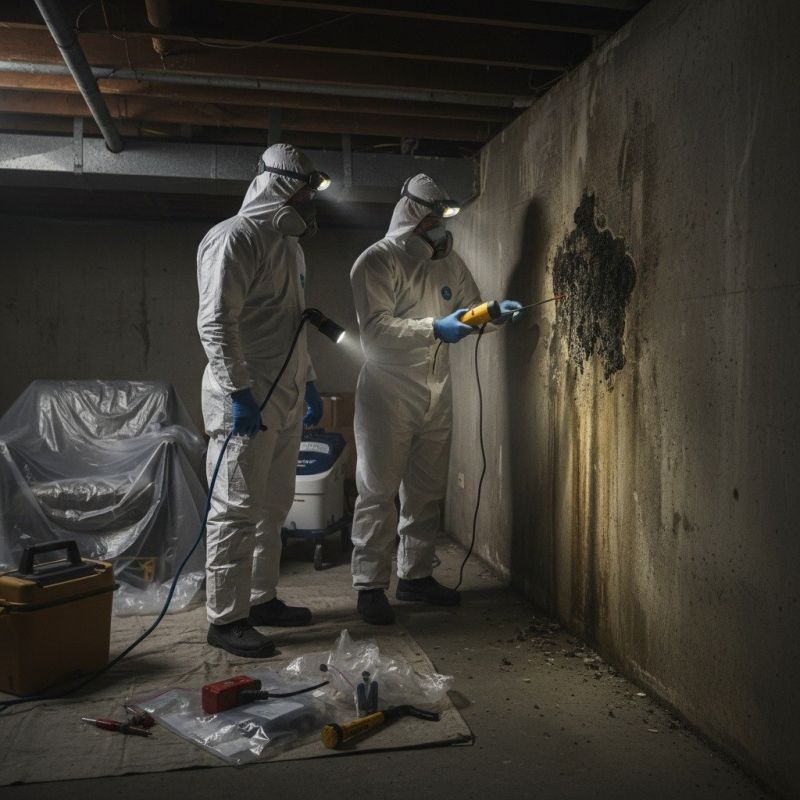
Mold abatement services involve the removal and cleanup of mold growth within residential properties. This process is typically requested for projects where mold has been discovered behind walls, in attics, basements, or other areas affected by excess moisture or water damage. Property owners usually seek mold abatement to improve indoor air quality, prevent health issues, and protect the structural integrity of their homes. Understanding the extent of mold growth, the source of moisture, and the types of materials affected are common concerns for homeowners considering this service.
Before requesting mold abatement, property owners often want to know about the scope of the work involved and the safety measures taken during removal. It is important to assess whether the mold problem is localized or widespread, as this influences the approach and potential costs. Additionally, homeowners typically want guidance on preventing future mold growth, which may include addressing leaks, improving ventilation, or controlling indoor humidity levels. Clear communication about the process and expectations helps ensure the project meets the property’s needs.
Many property owners in Essex County, NJ look into Mold Abatement for repairs, replacements, upgrades, and appearance-related improvements.
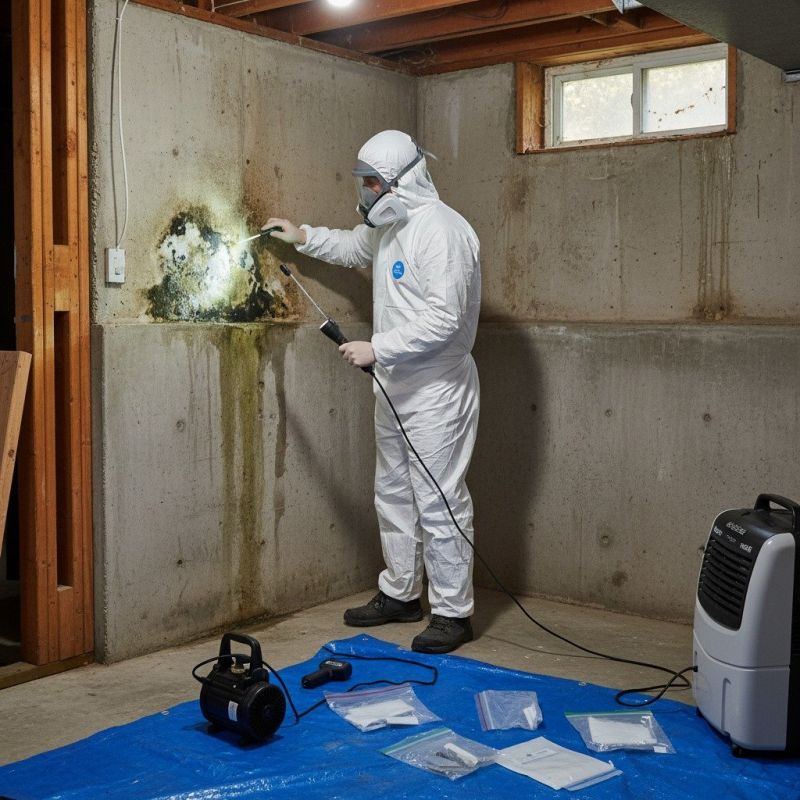
Mold Removal And Prevention
Services focus on safely removing mold and preventing future growth in residential and commercial properties.
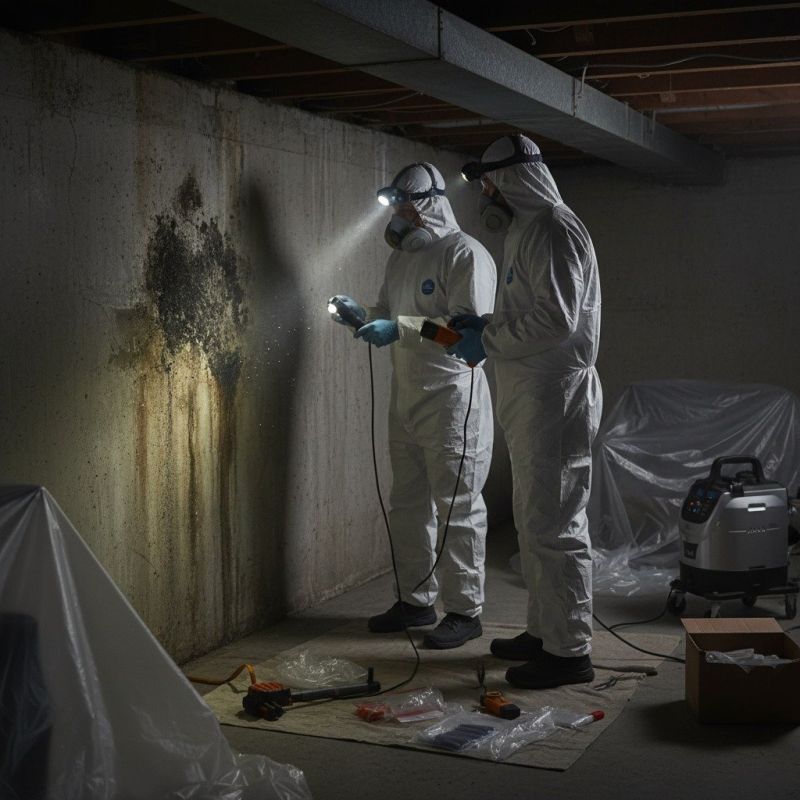
Health And Property Safety
Addressing mold issues to improve indoor air quality and protect the structural integrity of buildings.
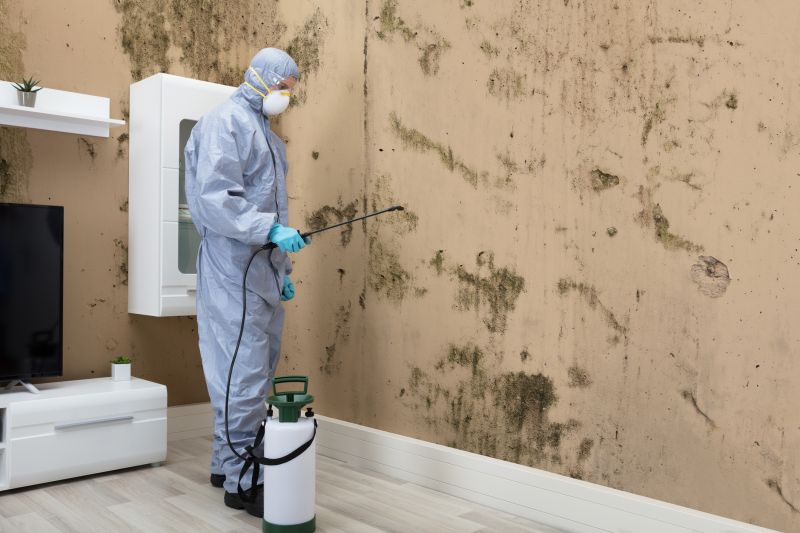
Comprehensive Mold Solutions
Providing thorough assessments, containment, and remediation to handle mold problems in essex county, nj, and nearby areas.
Mold Abatement in Essex County, NJ
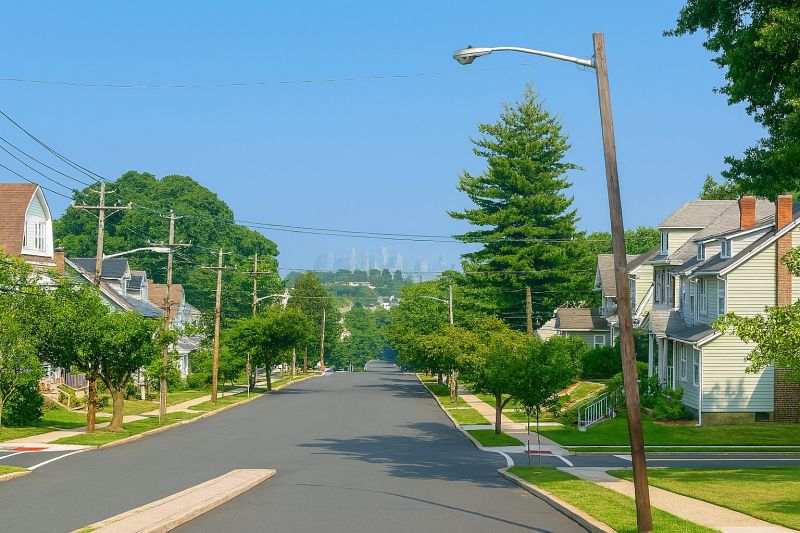
Mold abatement services involve the removal and cleanup of mold growth within residential properties. This process is typically requested for projects where mold has been discovered behind walls, in attics, basements, or other areas affected by excess moisture or water damage. Property owners usually seek mold abatement to improve indoor air quality, prevent health issues, and protect the structural integrity of their homes. Understanding the extent of mold growth, the source of moisture, and the types of materials affected are common concerns for homeowners considering this service.
Before requesting mold abatement, property owners often want to know about the scope of the work involved and the safety measures taken during removal. It is important to assess whether the mold problem is localized or widespread, as this influences the approach and potential costs. Additionally, homeowners typically want guidance on preventing future mold growth, which may include addressing leaks, improving ventilation, or controlling indoor humidity levels. Clear communication about the process and expectations helps ensure the project meets the property’s needs.
Many property owners in Essex County, NJ look into Mold Abatement for repairs, replacements, upgrades, and appearance-related improvements.
Common Mold Abatement Jobs
Mold Remediation - removes mold growth from indoor surfaces to improve air quality.
Water Damage Cleanup - addresses moisture issues that can lead to mold development.
Attic and Basement Mold Removal - targets areas prone to excess humidity and mold buildup.
HVAC Mold Treatment - eliminates mold from air ducts and ventilation systems.
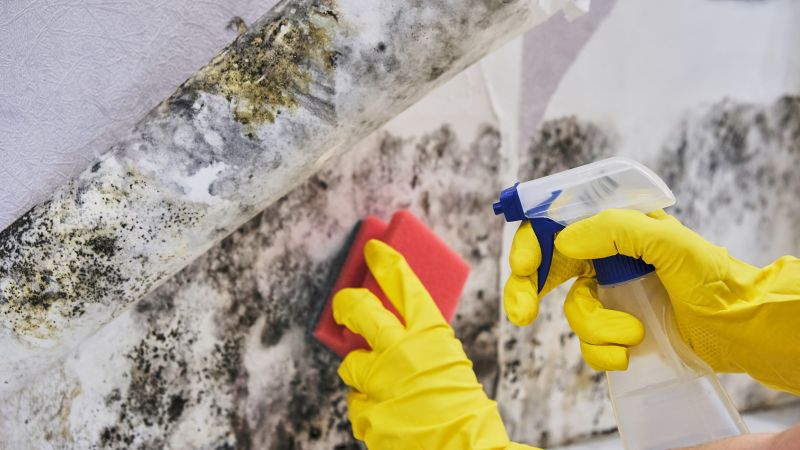
Surface Cleaning and Disinfection - safely removes mold from walls, ceilings, and other surfaces.
Mold Prevention Consulting - provides advice on reducing future mold risks and moisture control.
Mold Abatement Questions
What causes mold growth in properties? Mold can develop due to excess moisture from leaks, high humidity, or poor ventilation, especially in areas like bathrooms and basements.
What types of mold are commonly addressed in abatement? Commonly addressed molds include Aspergillus, Cladosporium, and Stachybotrys, which can grow on various surfaces and materials.
How can property owners prevent mold recurrence? Maintaining low humidity levels, fixing leaks promptly, and ensuring proper ventilation help reduce the risk of mold returning.
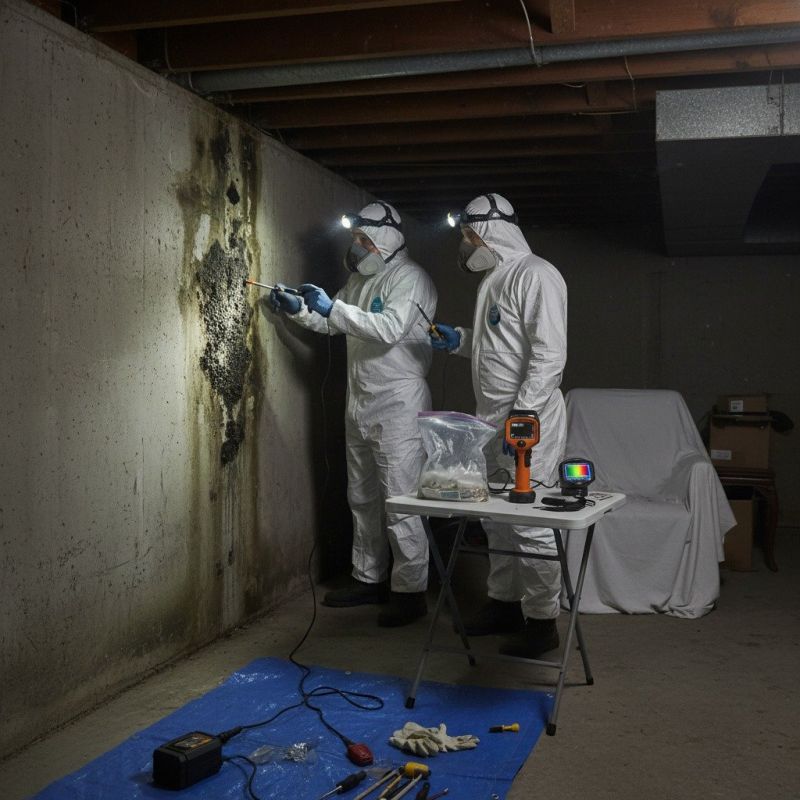
What areas are typically targeted during mold abatement? Mold abatement usually focuses on affected surfaces, HVAC systems, and areas with persistent moisture issues to remove mold safely.
Request Mold Abatement in Essex County, NJ
Use the quote form on this page to share the basics of your project and request more information for the type of work you need.